People Analytics Platform With Real-Time Data Insights: HR Analytics Software for Better HR Decisions
Unleash the power of people analytics software & HR platform to drive your workforce. Get data-driven insights for smarter HR decisions.
Modern HR teams need more than reports that explain what happened last quarter. They need live visibility into workforce health, employee engagement, retention risk, performance signals, and business impact. That is why a people analytics platform with real-time data insights is becoming essential for growing organizations.
People analytics, also known as HR analytics, helps leaders use workforce evidence instead of assumptions. When HR can combine employee data, performance signals, engagement trends, and business context, it becomes easier to make informed decisions that improve the employee experience and organizational outcomes.
How Alygn approaches this. Alygn keeps a running record of the work itself: every task is scored as it is captured using the four-pillar method: the company goal, the team goal, the role, and the person's own KPIs. When review time comes, the evidence is already there — what each person actually delivered and how closely it served the strategy — so the conversation starts from the record rather than from memory or a rating scale.
People Analytics and HR: Why Real-Time Data Matters
People analytics gives HR leaders a clearer way to understand how people, teams, and work patterns affect business results. Instead of relying only on annual surveys or manual spreadsheets, teams can use live dashboards and advanced analytics to see workforce trends as they happen.
For HR, this shift is strategic. It helps the function move from administration to business partnership. Leaders can identify skill gaps, track engagement, measure employee performance, and support better workforce planning with evidence.
From Reporting to Real-Time Data Analytics
Traditional reporting often arrives too late. By the time a monthly report shows declining engagement or rising turnover risk, the problem may already be serious. Real-time data analytics helps HR teams respond earlier with targeted action.
This is especially valuable for organizations that want to prevent retention problems, improve team performance, and strengthen employee satisfaction.
HR Analytics and Metric Strategy for Workforce Decisions
HR analytics turns workforce information into practical insight. It can show whether hiring plans are working, whether development programs are improving performance, and whether managers are supporting their teams effectively.
A useful metric should connect to a decision. For example, engagement scores can guide manager coaching, retention trends can shape workforce management, and performance indicators can support talent development.
Key HR Metrics to Track
Important HR metrics may include employee turnover, internal mobility, absenteeism, engagement survey results, goal progress, performance review outcomes, and employee retention rates.
The best teams do not track everything. They focus on the numbers that support better HR initiatives and business outcomes.
Analytics Software and People Analytics Software: What to Look For
Modern analytics software should make workforce information easy to access, understand, and act on. It should not require every HR leader to become a data scientist.
Strong people analytics software includes dashboards, data integration capabilities, predictive analytics, diagnostic analytics, descriptive analytics, and prescriptive analytics. These capabilities help HR move from “what happened?” to “what should we do next?”
Why Usability Matters
A platform is only valuable if HR teams actually use it. Clean visuals, simple filters, role-based access, and clear recommendations make analytics more practical.
If insights are hidden behind complex reports, leaders may ignore them.
People Data, Workforce Data, and Employee Data in One Place
People data becomes more valuable when it is connected across systems. HR teams often have information scattered across HR systems, payroll tools, engagement surveys, performance management platforms, learning management systems, and communication channels.
A strong platform brings workforce data and employee data together so leaders can see patterns and relationships in data across the organization.
Data Sources That Improve Accuracy
Useful data sources may include employee surveys, performance records, retention history, goal progress, role information, compensation data, and learning activity.
When data from various sources is integrated, HR gains a more complete view of the workforce.
HR Data and Data Analytics for Actionable Insights
HR data should not sit unused in disconnected systems. It should support data analysis that leads to action. For example, if a team has low engagement and high workload, HR can work with managers to adjust priorities, staffing, or support.
Strong data analytics helps leaders identify where employee experience is improving and where intervention is needed.
Turning Data Into Action
The goal is not to create beautiful dashboards only. The goal is actionable insights. HR leaders need to know what is happening, why it matters, and which action should come next.
This is where people analytics capabilities create strategic value.
People Analytics Tools and Analytics Tool Capabilities
People analytics tools help HR teams collect, organize, and interpret workforce information. A strong analytics tool should support filtering by team, role, department, tenure, location, and performance segment.
It should also provide advanced analytics tools and techniques without making the user experience difficult.
Core Analytics Capabilities
Important analytics capabilities include real-time alerts, data visualization, predictive modeling, benchmarking, segmentation, and trend analysis.
These features help HR teams quickly understand workforce changes and respond with confidence.
Key People Analytics for HR Leaders
Key people analytics can reveal whether employees are engaged, whether managers are effective, whether turnover risk is increasing, and whether talent programs are working.
For HR leaders, this creates a bridge between people operations and business strategy. Instead of only reporting activities, HR can show outcomes.
HR and Business Alignment
A strong analytics approach connects HR and business priorities. If leadership wants growth, HR can analyze hiring capacity, skill readiness, and leadership depth. If leadership wants efficiency, HR can review workforce planning and productivity trends.
This makes HR decisions more strategic.
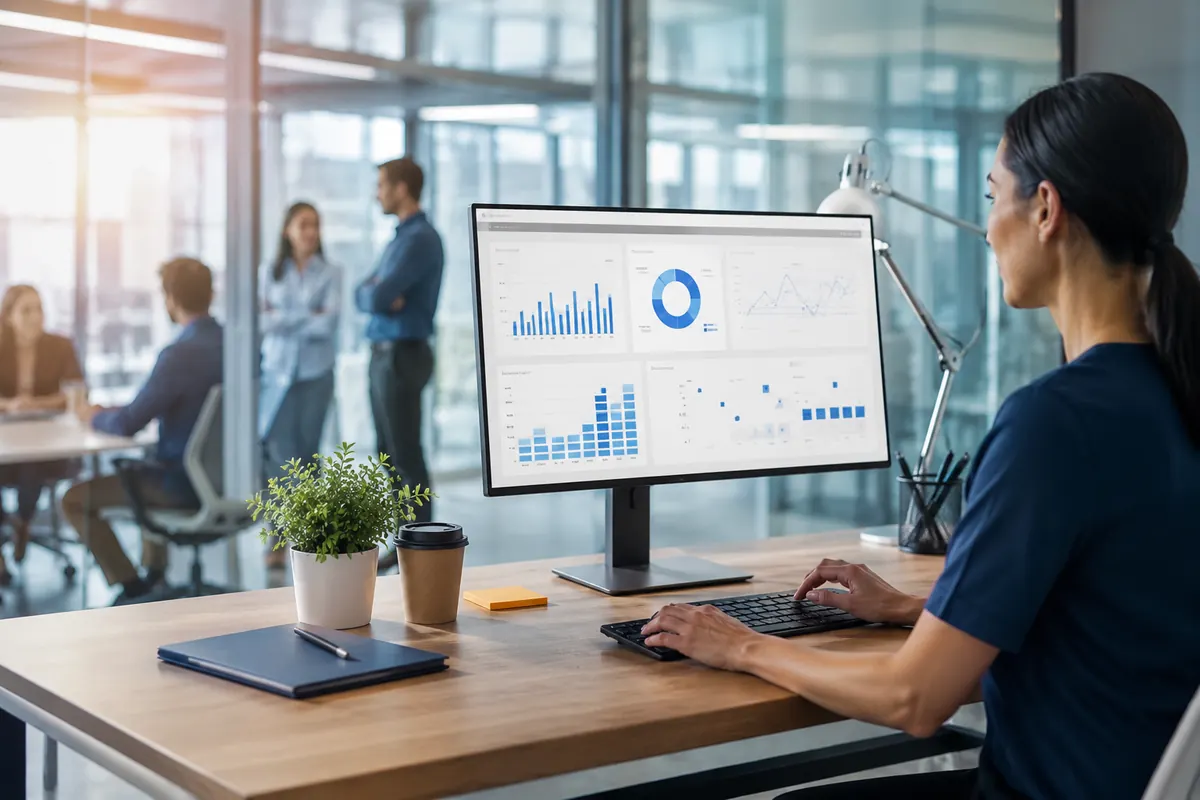
People Analytics Platform With Workforce Insights
A people analytics platform gives leaders one place to view workforce insights across the company. It should help teams understand engagement, retention, performance, and development through clear dashboards.
The best platforms support decisions based on data while still leaving room for human judgment and context.
Real-Time Data for Better Visibility
Real-time data allows HR to spot changes quickly. For example, if engagement drops after a restructuring, HR can work with managers before morale declines further.
This makes workforce analytics more responsive and useful.
People Analytics Solution for Employee Experience
A strong people analytics solution supports employee experience by helping HR identify friction, burnout risk, manager gaps, and development needs.
It can also help improve employee engagement by showing which teams need support and which practices are working well.
Employee Surveys and Engagement Signals
Employee surveys are still useful, but they are stronger when combined with other signals. Engagement surveys, check-ins, performance feedback, and retention data can give a fuller picture of workforce health.
This helps HR avoid relying on one data set.
Data Science and Predictive Analytics in Workforce Planning
Data science helps organizations find deeper workforce patterns. With predictive analytics, HR can estimate future risks such as turnover, skill shortages, or declining engagement.
Predictive modeling can support workforce planning by helping leaders prepare earlier. For example, if a certain role shows high turnover risk, HR can improve onboarding, manager training, or career pathways.
Prescriptive Analytics for Next Steps
Prescriptive analytics goes further by recommending actions. It may suggest coaching, retention conversations, learning programs, or staffing changes.
This turns insights into practical guidance.
Advanced Analytics for Performance Management
Advanced analytics can improve performance management by connecting feedback, goals, outcomes, and development needs. HR can see whether performance trends are improving over time and whether teams are receiving enough support.
Analyzing workforce data also helps leaders understand individual and team performance in context.
Analyzing Employee Data Responsibly
Analyzing employee data requires trust. HR teams must protect privacy, explain data usage, and avoid using analytics as surveillance.
The purpose should be better support, fairer decisions, and improved organizational health.
Analytics Journey: From Manual Reports to Strategic Insight
Every organization has an analytics journey. Some begin with spreadsheets and basic reports. Others move toward comprehensive people analytics with integrated dashboards and predictive models.
The key is to start with business questions, not just available data. HR should ask: What decisions do we need to improve? What workforce problems are costing the business? What insights would help managers act faster?
Building a Data-Driven HR Culture
A data-driven HR culture does not ignore human experience. It strengthens it. Numbers reveal patterns, but leaders still need empathy, context, and conversation.
The best HR analytics platform helps people leaders combine evidence with judgment.
Conclusion: Real-Time People Analytics for Smarter HR Decisions
A people analytics platform with real-time data insights helps HR teams move from delayed reporting to proactive workforce strategy. By connecting people data, workforce data, HR systems, engagement signals, and performance information, leaders can make better decisions faster.
The future of HR is not just about collecting more data. It is about using the right analytics capabilities to improve employee experience, reduce retention risk, support workforce planning, and strengthen business performance.
For HR teams that want to become strategic partners, people analytics software is no longer optional. It is the foundation for smarter workforce decisions.
FAQs
Q: What is a people analytics platform?
It is software that collects and analyzes workforce information to help HR teams understand engagement, retention, performance, and workforce trends.
Q: How is people analytics different from HR reporting?
HR reporting shows what happened, while people analytics explains patterns, predicts risks, and supports better decisions.
Q: What data does people analytics use?
It may use engagement surveys, performance data, retention history, HR systems, employee feedback, learning records, and workforce planning information.
Q: Why do HR teams need real-time data insights?
Real-time insights help HR identify issues earlier, respond faster, and support managers before small problems become major risks.
Q: Is people analytics safe for employees?
Yes, when it is transparent, privacy-conscious, and used to improve support, fairness, and employee experience rather than monitor individuals.
Where Alygn fits
Alygn is built for the version of this problem that most teams actually have: no reliable record of the work, so reviews run on recollection. Because Alygn scores every task against the company goal, the team goal, the role and the person's own KPIs — the four-pillar method — the evidence for a review accumulates during the year, task by task. Reviews become a reading of that record, and the bias that comes from remembering the last month more than the first eleven has less to feed on. See evidence-based performance reviews, or the guide for how it works day to day.
Run this session with us instead
Everything above is the version you run yourself. If you'd rather not facilitate your own planning session, we'll run it with you free — you leave with an agreed North Star, a KPI structure from company down to individual, and a plan your team can actually execute.
Book a free planning workshopKeep reading
Unfair Performance Review: How to Respond
Navigate an unfair performance review with composure & credibility. Learn to respond effectively, protect your career, and ensure a fair outcome.
Why a Performance Review and Annual Performance Review Don’t Work for Teams Anymore
Discover reasons why annual performance reviews don't work. Learn why traditional performance reviews are ineffective based on examples and modern insights.
Why a Good Employee Leaves Unexpectedly: Reasons Why Good Employees Leave
Why good employees quit: Uncover top reasons your best employee leaves, from limited growth to poor management. Learn why employees quit.