Continuous Performance Management Software for HR Teams: AI-Driven Continuous Performance
Unlock peak potential with the best AI Continuous Performance Management Software in 2024. This data-driven, AI-driven platform revolutionizes HR, replacing annual reviews.
HR teams are under pressure to make performance fairer, faster, and more connected to business outcomes. The old model of waiting for an annual review no longer works for teams that need real-time coaching, better visibility, and stronger goal alignment. This is why companies are moving toward continuous performance management powered by ai.
A modern continuous performance management software solution helps HR leaders collect performance signals, support managers, and guide employees throughout the year. Instead of judging people once at the end of a review cycle, teams can use feedback, check-ins, analytics, and evidence to create better performance conversations.
How Alygn approaches this. Alygn keeps a running record of the work itself: every task is scored as it is captured using the four-pillar method: the company goal, the team goal, the role, and the person's own KPIs. When review time comes, the evidence is already there — what each person actually delivered and how closely it served the strategy — so the conversation starts from the record rather than from memory or a rating scale.
Continuous Performance Management Software for Modern HR
The purpose of continuous performance management software is to make performance management ongoing, not occasional. It gives HR a practical framework for feedback, coaching, development, and accountability.
A strong system connects employee performance, team goals, and business priorities. It helps managers and employees understand progress, blockers, and development needs without waiting for quarterly or yearly reviews.
Why HR Needs a New Performance Framework
Traditional processes often create stress for everyone. HR chases forms, managers rush comments, and employees receive feedback too late. A continuous model gives people support while work is still happening.
This shift makes performance management more actionable because insights are based on recent context, not memory.
AI in Continuous Performance Management
AI can help HR teams analyze patterns, summarize feedback, and guide managers toward better coaching. It can also reduce administrative work by organizing notes, creating prompts, and highlighting performance trends.
Responsible AI should support human judgment, not replace it. HR teams should use artificial intelligence to create clarity, not hidden surveillance.
AI Coaching for Better Conversations
AI coaching can help managers prepare for difficult conversations by suggesting questions, identifying skill gaps, and summarizing key themes. This improves the quality of feedback and makes performance discussions more useful.
The best systems help leaders improve performance through evidence, context, and empathy.
Annual Review Problems: Why Reviews Fail
Many performance reviews fail because they happen too late and depend too much on manager memory. A manager may remember the most recent project but forget months of strong contribution.
This is called recency bias, and it can make ratings feel unfair. When companies rely only on annual performance reviews, they risk missing real progress, hidden blockers, and meaningful teamwork.
Why Annual Reviews Fail in Growing Companies
Annual reviews fail when they become paperwork instead of development. Employees want useful feedback, not vague summaries. Managers need better data, not more forms.
A better approach keeps a feedback loop active throughout the year.
Best Continuous Performance Management Tools for HR Teams
The best continuous performance management tools make feedback simple, timely, and connected to goals. They should include check-ins, dashboards, development plans, analytics, and workflows that are easy to adopt.
The best continuous performance management software should also support fairness. It should give HR teams performance visibility across departments while helping managers avoid inconsistent evaluation habits.
What to Look for in Management Features
Strong management features include goal progress tracking, review templates, coaching notes, calibration support, feedback history, and team performance views. These tools help HR evaluate individual performance and organizational performance with better context.
A useful dashboard should show trends without overwhelming users.
Performance Management Platform for Data-Driven Decisions
A performance management platform gives HR one place to manage goals, feedback, reviews, and development. This creates a more reliable view of performance across the organization.
A data-driven approach helps HR understand whether employees are receiving feedback, whether goals are moving, and whether managers are supporting growth consistently.
Performance Data and Analytics
Performance data becomes valuable when it is connected to action. HR should not collect information simply to create reports. The goal is to produce performance insights that help leaders make better decisions.
Analytics can reveal performance cycles, engagement patterns, coaching gaps, and areas where teams need support.
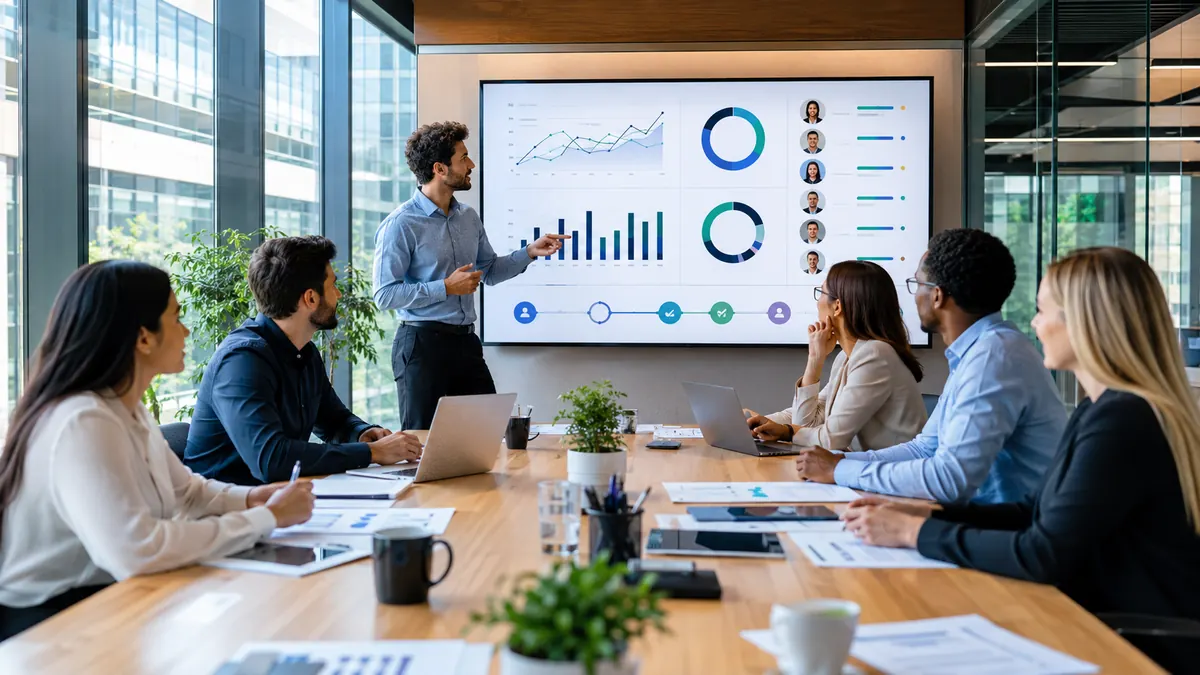
AI-Driven Continuous Performance for Real-Time Feedback
AI-driven continuous performance gives HR teams the ability to understand performance signals as they appear. This can include feedback notes, goal updates, check-ins, completed commitments, and manager observations.
With real-time feedback, employees can adjust faster. Managers can coach earlier. HR can identify performance issues before they become bigger problems.
AI Insights and Performance Signals
AI insights are most useful when they explain what changed and why it matters. A simple score is not enough. HR needs to understand context, such as workload, unclear priorities, skill gaps, or low engagement.
Good systems turn performance signals into guidance for managers.
Continuous Performance Management Platform for Goal Alignment
A continuous performance management platform should connect people’s work to strategic goals. This is especially important when companies use okr systems or team goals to guide execution.
When employees understand how their work supports broader priorities, engagement improves. This also supports continuous alignment, where goals are reviewed and adjusted as business needs change.
Goal Alignment and Team Performance
Strong goal alignment helps teams focus on what matters. It reduces busywork and helps leaders see whether effort is connected to outcomes.
For HR, this creates a bridge between people development and business execution.
Generative AI, Automation, and Nudges
Generative ai can help managers summarize feedback, draft development plans, and prepare review notes. It can also create a useful prompt for managers who struggle to start performance conversations.
A smart nudge can remind managers to check in, recognize progress, or follow up on a development goal. This kind of automation supports better habits.
Automate Without Removing the Human Element
To automate performance workflows, HR should focus on reminders, summaries, and routing—not automated judgment. The human conversation is still essential.
Automation should make managers more present, not less involved.
Continuous Feedback and Employee Engagement
Continuous feedback helps employees know where they stand. It also improves employee engagement because people feel supported throughout the year.
When feedback is timely, specific, and constructive, employees can take action. This supports agility because teams can adapt quickly when priorities change.
Check-Ins That Create Better Performance Conversations
Regular check-ins help managers identify blockers, clarify expectations, and support growth. These conversations do not need to be long. They need to be consistent.
A short monthly check-in can often prevent a difficult formal review later.
AI Agents and Agentic AI in Performance Management
AI agents can support HR by preparing summaries, identifying missing feedback, and helping managers follow workflows. More advanced agentic ai may eventually coordinate tasks, flag risks, and guide development actions.
However, adoption should be careful. AI adoption works best when employees understand how systems are used and how privacy is protected.
Trust Matters More Than Gamification
Gamification can encourage participation, but trust matters more. Employees should not feel like performance management is a game or a surveillance system.
A good platform helps people grow and supports performance and engagement without creating fear.
Modern Performance and Continuous Development
Modern performance management focuses on coaching, clarity, and growth. It replaces delayed judgment with ongoing support.
This approach supports continuous development by linking feedback to learning, coaching programs, and career planning. It also helps HR identify where management training is needed.
Skill Gaps and Development Plans
When HR can see skill gaps early, it can recommend coaching, learning resources, or role support. Strong development plans help employees grow while helping the business build future capability.
This makes performance management a strategic function, not just an HR process.
Conclusion: Choosing the Best Continuous Performance Management Software
The best continuous performance management software helps HR teams move beyond delayed reviews and create a better performance culture. It combines AI, check-ins, analytics, workflow support, and real-time performance visibility.
Continuous performance management requires more than software. It requires clear expectations, manager training, employee trust, and leadership commitment. When done well, it improves employee engagement, supports better decisions, and strengthens organizational performance.
For HR teams that want fairer reviews, better coaching, and stronger alignment, a continuous, AI-driven platform is the future of performance management.
FAQs
Q: What is continuous performance management software?
It is a platform that helps HR teams manage feedback, goals, check-ins, development plans, and performance conversations throughout the year.
Q: How does AI improve continuous performance management?
AI helps summarize feedback, identify trends, support coaching, and guide managers with better performance insights.
Q: Why are annual reviews not enough?
Annual reviews often happen too late, rely on memory, and miss important changes in performance, engagement, and goals.
Q: What features should HR teams look for?
HR should look for real-time feedback, dashboards, goal tracking, check-ins, development planning, analytics, AI support, and workflow automation.
Q: Is AI-driven performance management safe for employees?
It can be safe when it is transparent, human-led, privacy-conscious, and designed to support development rather than surveillance.
Where Alygn fits
Alygn is built for the version of this problem that most teams actually have: no reliable record of the work, so reviews run on recollection. Because Alygn scores every task against the company goal, the team goal, the role and the person's own KPIs — the four-pillar method — the evidence for a review accumulates during the year, task by task. Reviews become a reading of that record, and the bias that comes from remembering the last month more than the first eleven has less to feed on. See evidence-based performance reviews, or the guide for how it works day to day.
Run this session with us instead
Everything above is the version you run yourself. If you'd rather not facilitate your own planning session, we'll run it with you free — you leave with an agreed North Star, a KPI structure from company down to individual, and a plan your team can actually execute.
Book a free planning workshopKeep reading
Unfair Performance Review: How to Respond
Navigate an unfair performance review with composure & credibility. Learn to respond effectively, protect your career, and ensure a fair outcome.
Why a Performance Review and Annual Performance Review Don’t Work for Teams Anymore
Discover reasons why annual performance reviews don't work. Learn why traditional performance reviews are ineffective based on examples and modern insights.
Why a Good Employee Leaves Unexpectedly: Reasons Why Good Employees Leave
Why good employees quit: Uncover top reasons your best employee leaves, from limited growth to poor management. Learn why employees quit.