Alygn vs Traditional Performance Management Systems: Modern Performance Management, Agile Reviews
Understand the difference between traditional annual and modern, agile performance management. Explore traditional vs. contemporary approaches with real-world examples.
Many organizations still rely on a traditional performance management system built around the annual review, rating forms, manager opinions, and delayed feedback. This model may create structure, but it often fails to show how employee performance connects to real business outcomes.
Alygn takes a different approach. It brings modern performance management into the flow of work by using real-time insight, continuous feedback, alignment data, and evidence-based performance intelligence. Instead of waiting until the end of the year to evaluate performance, Alygn helps leaders understand what is happening across the organization as work happens.
The difference between traditional and modern performance management is simple: traditional systems look backward, while Alygn helps teams improve forward.
How Alygn approaches this. Alygn keeps a running record of the work itself: every task is scored as it is captured using the four-pillar method: the company goal, the team goal, the role, and the person's own KPIs. When review time comes, the evidence is already there — what each person actually delivered and how closely it served the strategy — so the conversation starts from the record rather than from memory or a rating scale.
What Is Traditional Performance Management?
Traditional performance management usually follows a fixed cycle. HR teams create review templates, managers evaluate performance, employees complete self-assessments, and ratings are discussed during a periodic performance review.
This traditional approach often includes goal setting at the start of the year, a mid-year check-in, and a final annual evaluation. In theory, this creates consistency across departments. In practice, it often becomes slow, subjective, and disconnected from daily work.
Many organizations use traditional systems because they are familiar. They support documentation, compensation decisions, and basic accountability. But they rarely provide real-time performance visibility or help managers improve employee performance during the year.
Why the Traditional Annual Review Falls Short
The traditional annual review has one major weakness: it happens too late. By the time a manager discusses performance, the most important moments may already be months old.
Employees may feel surprised by feedback. Managers may struggle to remember details. HR may spend weeks chasing forms and calibration notes. The entire performance management process can become more about admin than growth.
Traditional systems also rely heavily on past performance. That can be useful, but it does not help teams adapt quickly when priorities change. In fast-moving companies, performance expectations shift, projects change, and skill gaps appear long before review season.
This is why many companies are embracing continuous performance management.
Modern Performance Management: A Better Model
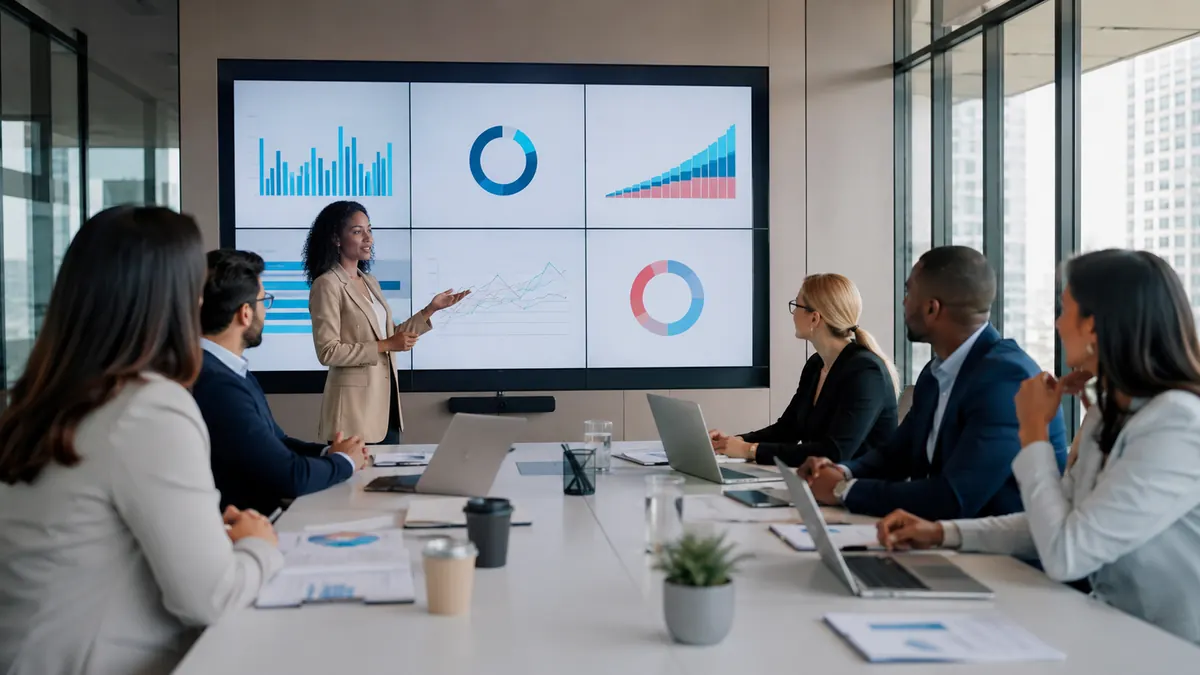
Modern performance management is employee-centric, data-informed, and connected to organizational needs. It focuses on regular feedback, performance conversations, development opportunities, and alignment with organizational goals.
Instead of one formal review, modern systems use frequent check-ins, ongoing feedback, performance metrics, and real-time feedback loops. This helps managers and employees solve problems earlier.
A strong modern model does not remove accountability. It makes accountability clearer. Employees know what matters, managers can track progress, and leaders can analyze performance patterns before they become bigger issues.
Agile Performance Management Explained
Agile performance management applies an agile approach to people development. It values adaptability, shorter feedback cycles, and continuous improvement.
In an agile system, goals are not frozen for a full year. Teams adjust priorities as business needs change. Managers provide coaching more often. Employees get regular feedback instead of waiting for one formal meeting.
This approach is especially useful for teams using project management workflows, OKRs, or fast-changing business priorities. It helps organizations stay flexible while still measuring performance against key performance indicators.
Alygn supports this agile model by connecting work, goals, blockers, and outcomes in real time.
Alygn vs Traditional Performance Management
Alygn is different from traditional performance systems because it does not depend only on manual updates, performance ratings, or manager memory. It helps leaders understand how work actually gets done.
Traditional systems ask, “What happened during the review period?” Alygn asks, “Is the work aligned, is progress visible, and is performance improving right now?”
Key Comparison
| Area | Traditional Systems | Alygn |
|---|---|---|
| Review cycle | Annual or periodic | Continuous |
| Main data source | Manager notes and self-reviews | Real work signals and evidence |
| Feedback timing | Delayed | Real-time |
| Focus | Past performance | Current progress and future improvement |
| Employee experience | Often one-sided | More transparent and ongoing |
| Leadership value | Documentation | Performance visibility and alignment |
| Main weakness | Slow and subjective | Requires change management and adoption |
Real-Time Performance Visibility
Real-time performance matters because leaders cannot improve what they cannot see. If a team is blocked, misaligned, or overloaded, waiting months to discover the issue creates unnecessary cost.
Alygn helps managers track performance as work happens. It can surface blockers, progress, alignment signals, and performance data connected to actual business priorities.
This is useful for enterprise performance because leaders need visibility across the organization, not just individual review documents. Real-time performance insight helps executives understand whether teams are moving in the right direction.
Continuous Performance and Employee Engagement
Continuous performance is closely connected to employee engagement. When employees receive regular feedback, understand expectations, and see how their work matters, they are more likely to feel supported.
Traditional performance management often makes employees feel judged. Modern systems help employees feel coached.
Alygn supports better engagement by making performance discussions more specific and useful. Instead of vague feedback like “be more proactive,” a manager can discuss actual goals, blockers, collaboration patterns, and impact.
This makes performance improvement more practical.
How Alygn Helps Managers and Employees
Alygn gives managers better context. It helps them identify progress, performance indicators, and development needs without relying only on memory.
For employees, Alygn creates more transparency. They can understand how their work connects to strategic goals and where they need to improve.
This improves the relationship between employees and managers because feedback becomes less personal and more evidence-based. The conversation shifts from opinion to insight.
Alygn also helps HR teams streamline performance review work. Instead of building review packets from scattered notes, HR can support a more consistent and data-informed management framework.
Performance Management Software vs Traditional Tools
Performance management software should do more than store review forms. The best performance management platforms help teams track performance, support coaching, and improve employee outcomes.
Traditional tools often focus on documentation. Modern management tools focus on action.
Alygn stands out because it connects performance management with execution alignment. It helps companies see whether work supports organizational priorities, whether teams are blocked, and whether daily effort is creating measurable value.
This is why Alygn fits companies that want performance management vs basic review administration.
The Role of Performance Analytics
Performance analytics helps leaders understand patterns across teams. It can show where productivity is improving, where skill gaps exist, and where performance decisions need stronger evidence.
Traditional systems may collect ratings, but ratings alone do not explain what happened. Alygn uses richer performance data to help leaders evaluate performance more fairly.
This can improve employee development, goal tracking, and workforce planning. It also gives HR stronger insight into where coaching, training, or support is needed.

Change Management: Moving From Traditional to Modern
Switching from a traditional system to an agile performance model requires change management. Employees and managers must understand why the process is changing.
The goal is not to create more meetings or more monitoring. The goal is to create better clarity, better feedback, and better alignment.
To make the shift successful, companies should:
Start With Clear Expectations
Employees need to know what good performance means and how it will be measured.
Train Managers
Managers need guidance on giving regular feedback, using performance data, and holding fair conversations.
Use Technology Carefully
Alygn should be positioned as enablement, not surveillance. The purpose is to improve visibility, trust, and support.
Build a Feedback Habit
Instead of waiting for a formal review, teams should discuss progress regularly.
Traditional and Modern Performance Management: Which Is Better?
The answer depends on company needs. A traditional system may work for basic documentation and compliance. But it is not enough for companies that need agility, real-time insight, and continuous improvement.
Modern performance management represents a better fit for fast-moving organizations. It supports performance conversations throughout the year, helps managers act earlier, and gives employees clearer development opportunities.
Alygn is best for companies that want to move beyond static ratings and build a more effective performance management model.
Final Thoughts
The difference between traditional performance management and Alygn is not only technology. It is mindset.
Traditional systems focus on review cycles, forms, and past results. Alygn focuses on real-time alignment, evidence-based insight, continuous feedback, and improved performance.
For organizations that want better performance visibility, stronger employee engagement, and clearer connection between daily work and strategic goals, Alygn offers a modern alternative to traditional performance systems.
Instead of asking managers to remember the past, Alygn helps companies understand performance as it happens.
FAQs
Q: What is the difference between traditional and modern performance management?
Traditional performance management relies on annual reviews, ratings, and periodic feedback. Modern performance management uses continuous feedback, real-time data, and regular conversations to improve performance throughout the year.
Q: Why are traditional annual reviews less effective?
Traditional annual reviews often happen too late, depend on manager memory, and focus too much on past performance. They may miss ongoing issues, blockers, and development needs.
Q: How does Alygn improve performance management?
Alygn improves performance management by connecting daily work to strategic goals, surfacing real-time insight, and supporting evidence-based performance conversations.
Q: What is agile performance management?
Agile performance management is a flexible approach that uses frequent feedback, adaptable goals, and regular check-ins instead of one annual evaluation.
Q: Is Alygn a replacement for traditional performance management software?
Yes, Alygn can replace or improve traditional performance management software for companies that want continuous performance management, stronger alignment, and better performance analytics.
Where Alygn fits
Alygn is built for the version of this problem that most teams actually have: no reliable record of the work, so reviews run on recollection. Because Alygn scores every task against the company goal, the team goal, the role and the person's own KPIs — the four-pillar method — the evidence for a review accumulates during the year, task by task. Reviews become a reading of that record, and the bias that comes from remembering the last month more than the first eleven has less to feed on. See evidence-based performance reviews, or the guide for how it works day to day.
Run this session with us instead
Everything above is the version you run yourself. If you'd rather not facilitate your own planning session, we'll run it with you free — you leave with an agreed North Star, a KPI structure from company down to individual, and a plan your team can actually execute.
Book a free planning workshopKeep reading
Unfair Performance Review: How to Respond
Navigate an unfair performance review with composure & credibility. Learn to respond effectively, protect your career, and ensure a fair outcome.
Why a Performance Review and Annual Performance Review Don’t Work for Teams Anymore
Discover reasons why annual performance reviews don't work. Learn why traditional performance reviews are ineffective based on examples and modern insights.
Why a Good Employee Leaves Unexpectedly: Reasons Why Good Employees Leave
Why good employees quit: Uncover top reasons your best employee leaves, from limited growth to poor management. Learn why employees quit.